By Any Means
When the law isn’t enough, how far should justice go?


 4 Sep 2026
  Juliana Purnell
 The idea of the FBI enlisting the help of a notorious mobster to assist in hunting down other criminals is a juicy concept for a screenplay. A scandalous and secretive affair by its very nature, there’s difficulty in sorting out what is fact and fiction. While By Any Means can laud its ‘based on a true story’ label, it becomes apparent the rumours and whispers surrounding such events take a toll on the confidence of the film’s presentation.
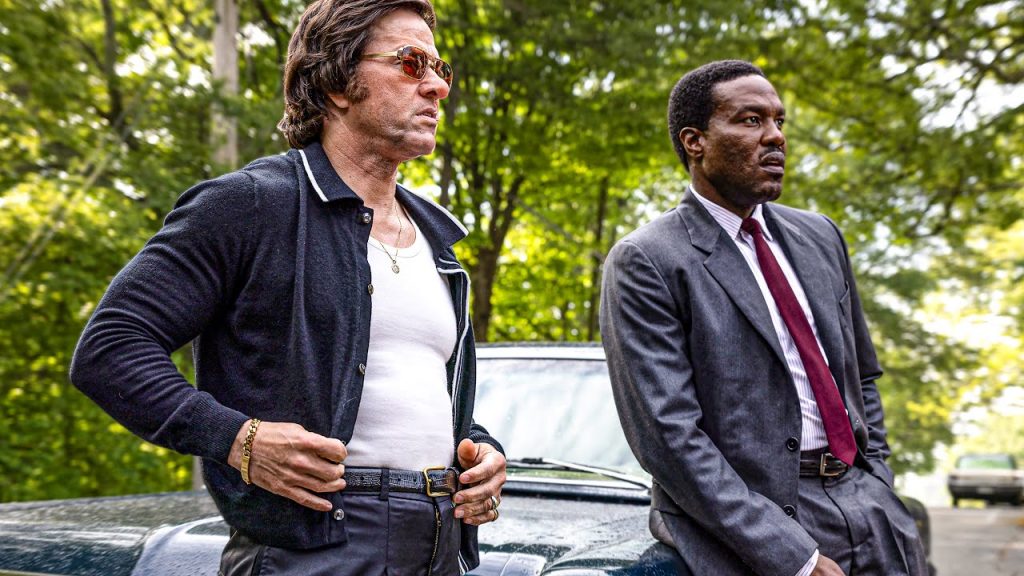
It’s Mississippi, 1966. After the federal Voting Rights Act was passed the year prior, which finally allowed Black citizens to vote, two hurdles seemed to remain: a disenfranchising polling tax and oppression from the Ku Klux Klan (KKK). Civil rights movement leader Vernon Dahmer insisted upon the importance of being able to vote and pledged over the radio to pay anyone’s taxes if they were a financial barrier. His advocacy drew attention from far and wide, including the KKK, who murdered him just hours after his announcement. The high-profile killing demanded FBI involvement, though with Black witnesses refusing to talk due to fear of reprisals and the tight-knit community that surrounded the KKK, it quickly proved to be a tough case to crack. The film explores the alleged collaboration with Colombo hitman Gregory Scarpa Sr (Mark Wahlberg), who supposedly was allowed to hunt down the perpetrators using whatever means necessary. At the time, there were also rumours he was paired with a Black FBI agent (Wayne Strider, played by Yahya Abdul-Mateen II) during the investigation.
At its core, the film is a variant of a buddy cop movie. Strider is the ‘straight man’ of the duo; a sincere Christian, he plays by the rules and seeks justice. Scarpa, on the other hand, finds enjoyment in upending societal expectations, which eventually goes as far as violating laws and hurting people. When the conflict between these two figures is at its peak, the film relishes the dynamic and entertains the audience, giving credence to the story’s premise.
Despite being almost comically layered with makeup and prosthetics, Mark Wahlberg slides into his role as the famous mobster. With a narrative that’s slathered with heavy issues such as racial tension, oppression and the horrors of the KKK, Scarpa’s cavalier attitude and nonchalance towards violence lighten every scene. In contrast, Yahya Abdul-Mateen II delivers a quieter performance as Strider, internalising a traumatic twist in his moral worldview as he sinks further and further into Scarpa’s unprincipled ethos.
While Strider’s character arc is fascinating to follow, the other aspects of the narrative fall flat. Scarpa’s history feels like assumed knowledge, as the film never properly establishes the stakes surrounding his compliance with the FBI. Dahmer’s inclusion is impactful yet too brief, as his character doesn’t get enough of a chance to cast a large enough shadow to fuel all of the events that ensue. Meanwhile, it’s insightful to witness the challenges a Black FBI agent faced during that transitional time when segregation was overthrown yet still casually practised, but there does come a point in the movie where the FBI’s decision to keep Strider on the case starts to strain the suspension of disbelief due to reasons of practicality. In the end, it’s a story that feels like it should reach a boiling point with all of its emotional turmoil, yet all it achieves is a simmer.
Yet the movie’s greatest dampener is its ties with the real-life tale. It admirably sticks closely to the events that can be confirmed, but given half the premise seems based on rumour and conjecture, the script feels lethargic when it comes to its more fictional offerings. It keeps things safe. Bland. It doesn’t dare to stray too far away from the records, even though it has the space to do so.
Then it gets awkward.
Since the outcomes of real life aren’t as neatly filtered and packaged as a fictional narrative, if left unaltered, it means that sometimes the wrong message is extrapolated, which is the case here. The brutal reality is that Scarpa’s methods showed results, and since By Any Means leans into that stance, it oddly could be interpreted as a rare pro-violence feature supportive of vigilantism as a result. This is before the end title cards deliver another blow, leaving viewers wondering what lesson is supposed to be taken away. It results in a story that is upfront with its desire to be fun with its mismatched buddy cop plot, but ultimately makes no real effort in refining its final message.
What should parents know?
By Any Means portrays a number of crimes committed by the KKK, which is not only distressing, but also shares the twisted Christian theology used to justify such brutality. Granted, the film also depicts the faith of several characters within the Black community, who share a worldview that is more in line with the grace and forgiveness seen in modern Christian churches, which is enough to push against the negative portrayal of the religion. There are also some torture sequences, albeit on the lighter side within the context of the world of cinema. While not excessively gory, assaults, lynchings, burnings and frequent swearing are still not for the faint of heart.
REEL DIALOGUE: Does the end justify the means?
At several points within the film, Strider is humiliated or otherwise rendered ineffective as an FBI agent due to the colour of his skin. After witnessing one incident too many, Scarpa mocks the Christian man, asking him how turning the other cheek is working out for him.
While Scripture doesn’t advocate for people not maintaining healthy boundaries, it does typically promote leading a life that’s in line with being a law-abiding citizen. Yet when society itself is corrupt and justice seems an unachievable goal within normal means, what then? If the cause is righteous, should we pursue it by any means necessary?
The book of Judges serves as a warning.
In a time before kings and political figures, God raised up ‘judges’ as spiritual leaders, though with every generation it seemed the Israelites drifted further away from God regardless. Ending up ignorant of God’s ways, a common theme began to emerge:
“In those days Israel had no king; everyone did as he saw fit.” — Judges 17:6 and 21:25
In the film, everyone justifies their own actions. Strider seeks justice because he believes it’s the right thing to do. The KKK commit crimes because that’s how they have grotesquely interpreted their version of God. Scarpa, meanwhile, justifies his violent tactics as he sees the Klansmen as a greater evil (and also due to his own enjoyment). Does the audience cheer him on? The lack of consensus on a moral framework to abide by eventually eats away at Strider’s resolve.
It’s frustrating, then, that Scarpa’s methods are effective. Yet so, too, were Samson’s. In a conflict seemingly orchestrated by his own egotistical desires, the final judge of Israel winds up achieving God’s ends even though he barely followed His commands and only displayed faith when convenient. Sure, the end result was satisfactory, but the book of Judges documents that this pathway of self-authorised morality leads to nationwide destruction and a falling away from God.
Paul also wondered whether the end could justify the means in Romans 3:8. Ultimately, he answers the question with an emphatic no.
It’s important to remember that Scarpa’s influence is only one story out of many to emerge from that era. The Civil Rights Movement, in large part, was achieved through more traditional, peaceful means. Even though real life may contain examples of good men dying to bad men, instances of injustice and outcomes out of our control, pursuing justice through sinful means ultimately demonstrates that we lack faith in God to set things right as the perfect judge.

Reel Dialogue has entered the world of YouVersion: Download the app, dive into the plans, and engage with the Bible in a fresh and exciting way.
Reel Dialogue has entered the world of YouVersion: Download the app, dive into the plans, and engage.

About Juliana Purnell


More Films like this
View All Digger
One of the most brilliantly constructed films I have absolutely no desire to watch again
