The Devil Wears Prada 2
Miranda is back and things have changed over two decades at Runway


 30 Apr 2026
  Russ Matthews
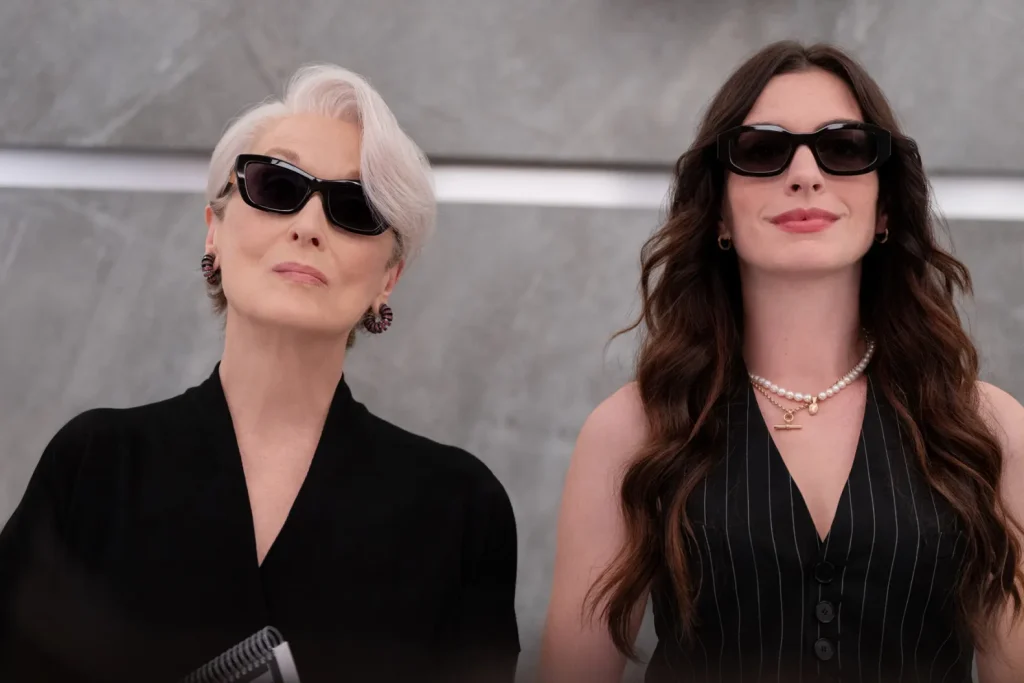
 After nearly two decades since Miranda Priestly (Meryl Streep) first stormed onto our screens as one of cinema’s most formidable bosses and the gatekeeper of the fashion world, she returns. Runway magazine has gone digital, and the industry is now dominated by fast fashion. As Miranda fights to maintain relevance in a rapidly changing publishing landscape, she once again finds herself turning to Andy Sachs (Anne Hathaway) for help.
Since leaving Runway, Andy has established herself as a respected journalist. Now, she is drawn back into the world she once escaped, tasked with restoring credibility to the struggling publication. It is no small feat—especially with Miranda still at the helm. With familiar faces like Nigel Kipling (Stanley Tucci) and Emily Charlton (Emily Blunt) returning, the stage is set for a reunion. Yet, even with their support, the challenge proves overwhelming for Andy, until she stumbles upon an idea that could revitalise the magazine. However, as with all things in Miranda’s world, one unexpected turn threatens to undo everything.
Time has brought a sense of maturity to both the characters and the story. While Andy retains some of her idealism and Miranda has softened—at least slightly—both have been shaped by the realities of their evolving industry. The humour remains, though it is more restrained, offering knowing smiles and gentle laughs rather than the sharp wit of the original. The fashion is, as expected, elevated, and the cameos—most notably from Lady Gaga—add an extra layer of spectacle without overwhelming the narrative.
Director David Frankel (Collateral Beauty) captures the essence of the original film while weaving in the challenges of a modern media landscape. Miranda’s authority is now tempered by contemporary workplace expectations, while Andy’s growth reveals that, despite her success, she still has more to learn—particularly from the mentor she once resisted. Stanley Tucci once again provides the emotional core of the film, supported by strong additions from Justin Theroux and Kenneth Branagh.
The Devil Wears Prada 2 delivers enough familiarity to satisfy fans of the 2006 original, while offering a fresh perspective on the fashion and publishing industries. It may not reach the heights of its predecessor, but it provides an engaging return to a beloved world—one that will appeal especially to those with a passion for fashion.
REEL DIALOGUE: More than fashionable, we all need a mentor
Beneath the style and humour, the film highlights a simple but important truth: we all need someone to guide and invest in our lives. Each of the central characters reflects a need for mentorship, community, and encouragement.
While Miranda Priestly may not be the ideal role model, she represents something many people long for—a figure to learn from, to aspire to, and perhaps even to challenge us to grow. The desire for guidance is deeply human, but it also raises the question of where we ultimately look for that example.
The Bible points to a model of mentorship grounded in wisdom, character, and care for others. It encourages those who have experience to invest in the next generation, helping them to grow in both life and faith.
“Likewise, teach the older women to be reverent in the way they live… Then they can urge the younger women to love their husbands and children…” — Titus 2:3–5
Perhaps the question to consider is this: who is shaping your life—and who are you investing in?

Reel Dialogue has entered the world of YouVersion: Download the app, dive into the plans, and engage with the Bible in a fresh and exciting way.
Reel Dialogue has entered the world of YouVersion: Download the app, dive into the plans, and engage.

About Russ Matthews


More Films like this
View All