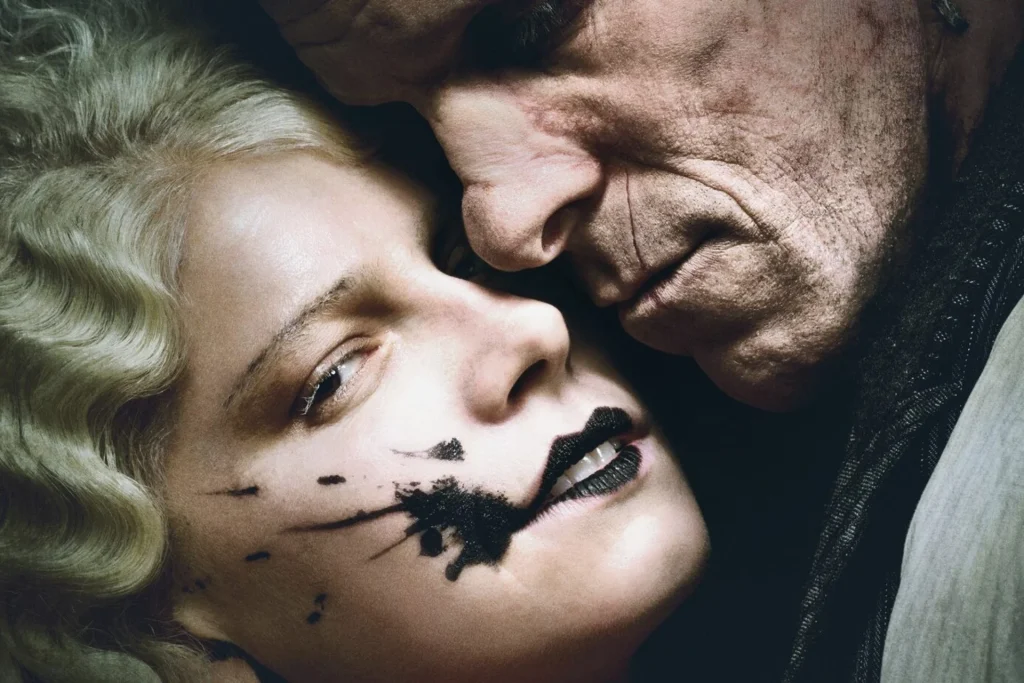
The Bride!
Is there someone made for everyone?


 4 Mar 2026
  Russ Matthews
 “It is true, we shall be monsters, cut off from all the world; but on that account we shall be more attached to one another.” ― Mary Shelley, Frankenstein
As Mary Shelley’s legendary novel Frankenstein continues to be reimagined for new generations, the author’s legacy lives on through the grotesque creation that has haunted literature and cinema for nearly two centuries. Actress, writer, and director Maggie Gyllenhaal (The Lost Daughter) steps behind the camera to deliver a bold reinterpretation of the story, adding a rebellious punk-rock energy to one of the world’s most recognisable monsters—and his bride.
Set in Chicago during the 1930s, Frank (Christian Bale) appears on the doorstep of Dr. Euphronius (Annette Bening), revealing himself to be the infamous creature created by Dr. Frankenstein. The scientist is intrigued by the opportunity to study this reanimated man, but Frank arrives with a different purpose. He longs for a companion who can fill the deep loneliness that has plagued him for decades. Despite her scientific curiosity and capabilities, Dr. Euphronius hesitates at his request. Eventually, however, she relents and agrees to create a mate for the creature standing before her.
After unearthing the body of a recently deceased police informant and call girl, Ida (Jessie Buckley), the pair find the perfect subject for their experimental bride. Yet the result is far from what they expect. Instead of simply fulfilling Frank’s desire, the experiment sparks a complicated relationship between two lost souls struggling to understand who they are—and how they might survive in a world that fears and despises them.
While the film contains clear references to Mary Wollstonecraft Shelley’s original tale, Maggie Gyllenhaal cleverly weaves the author’s spirit into the narrative itself. Inspired by Shelley’s own life and imagination, Gyllenhaal explores the darker corners of the human heart through a distinctly feminine perspective. The result is an audacious blend of influences—touches of Romeo and Juliet, echoes of notorious lovers like Bonnie and Clyde, and a raw punk-rock sensibility—that together create a project that is as unsettling as it is fascinating.
The production boasts an impressive ensemble cast, including Peter Sarsgaard, Jake Gyllenhaal, and Penélope Cruz. Yet the emotional weight of the film rests squarely on the monstrous shoulders of Jessie Buckley and Christian Bale. Both actors fully commit to their roles, delivering fearless performances that explore the humanity hidden within these ghastly figures. Buckley, in particular, stands out as she embodies two identities within the same character, shifting between them with remarkable conviction from beginning to end.
The Bride! is disturbing, grotesque, and deliberately unsettling. It is not a film for the squeamish or those seeking light entertainment. Yet beneath its shocking exterior lies a film of undeniable ambition and creativity. Like the creatures at its centre, it may be difficult to look at—but it is even harder to look away from. Gyllenhaal’s vision may shock or repel some viewers, but its strange beauty and emotional intensity demand attention until the final, haunting moments.
REEL DIALOGUE: Are We Alone on This Journey Called Life?
The Bride! begins with a powerful premise: Frankenstein’s creature suffers from an overwhelming loneliness and longs for companionship. As he wanders through the crowded streets of Chicago, the film illustrates how easy it is to feel isolated—even when surrounded by people.
Loneliness can certainly be a physical reality, but for many it becomes more of a state of mind. We may try to fill that emptiness with relationships, achievements, or even the endless connectivity offered through technology. Yet these solutions often provide only temporary relief.
The deeper question raised by this story is one that humanity has wrestled with for centuries: Are we truly alone?
The Bible offers a different perspective. It presents a God who is not distant but present—someone who desires a relationship with us even in our most isolated moments. Jesus spoke these reassuring words to His followers:
“And behold, I am with you always, to the end of the age.” — Matthew 28:20
This promise suggests that loneliness does not have to define our journey. Whether in moments of joy or seasons of deep isolation, God’s presence remains constant.
For those curious about exploring this relationship further, one place to begin is by reading the story of Jesus in the Gospels—starting with Matthew’s account in the New Testament. Through these writings, many discover a surprising truth: that they were never truly alone after all.
And perhaps that is the most hopeful answer to the loneliness that echoes throughout The Bride!—the possibility that companionship may already be closer than we think.

Reel Dialogue has entered the world of YouVersion: Download the app, dive into the plans, and engage with the Bible in a fresh and exciting way.
Reel Dialogue has entered the world of YouVersion: Download the app, dive into the plans, and engage.

About Russ Matthews


More Films like this
View All